
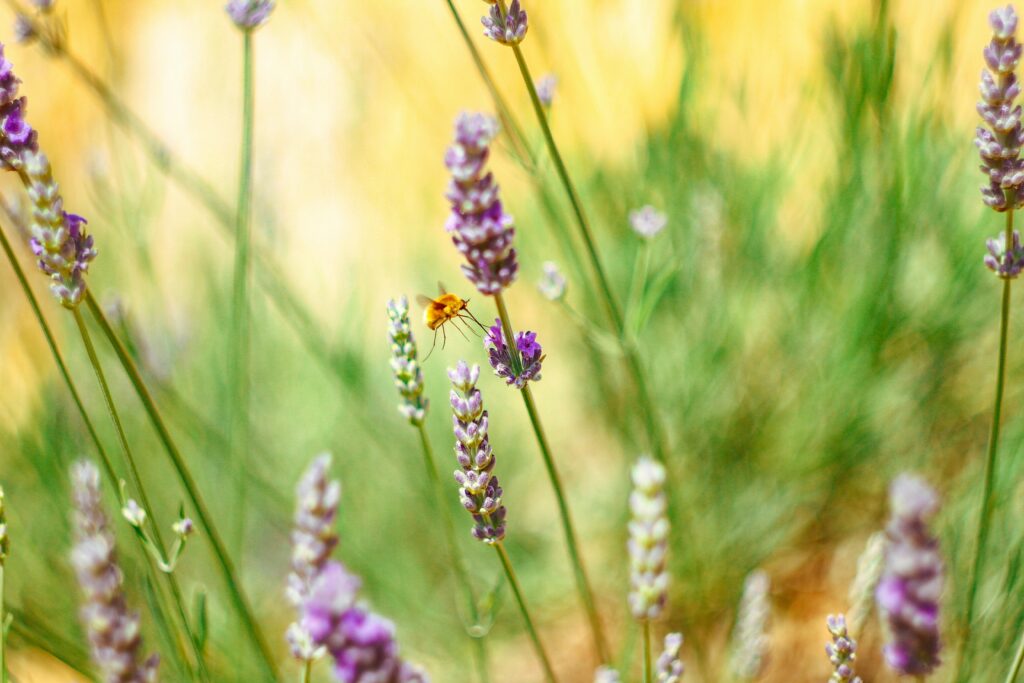
Discover the power of plants — Phytotherapy, also known as herbal medicine or phytomedicine, is the science-based use of plant-derived preparations to prevent, treat, and support recovery from health conditions while promoting overall well-being.
Unlike traditional folk herbalism that relies primarily on generational wisdom, modern phytotherapy combines ancient plant knowledge with rigorous pharmacological research, clinical studies, and standardized extracts. This makes it a trusted complementary approach that works alongside conventional medicine.
A Rich History Rooted in Nature
Humans have turned to medicinal plants since prehistoric times — evidence dates back over 60,000 years. Ancient civilizations in Egypt (Ebers Papyrus, ~1500 BC), China, India (Ayurveda), and Greece documented thousands of healing herbs.
The term “phytotherapy” was coined in 1913 by French physician Henri Leclerc, who helped establish it as a distinct medical discipline. Today, it bridges traditional wisdom and modern science, with many pharmaceutical drugs originally derived from plants (think aspirin from willow bark or digoxin from foxglove).
How Phytotherapy Works
Plants contain bioactive compounds — called phytochemicals — such as flavonoids, alkaloids, terpenes, and polyphenols. These natural molecules can offer:
- Anti-inflammatory effects
- Antioxidant protection
- Immune support
- Stress relief
- Digestive balance
- And much more
In phytotherapy, we use whole-plant extracts, tinctures, teas, capsules, or standardized phytomedicines where the active ingredients are carefully measured for consistent potency and safety.
Key Benefits of Phytotherapy
Visitors love this section — it highlights value while remaining balanced:
- Gentle yet effective — Many people experience fewer side effects compared to some synthetic options when used correctly.
- Holistic approach — It supports the body’s natural self-healing capacity rather than just masking symptoms.
- Wide range of applications — From supporting immunity and respiratory health (e.g., Echinacea) to promoting calm (St. John’s wort for mild depression) or cognitive function (Ginkgo biloba).
- Preventive potential — Ideal for daily wellness and long-term vitality.
Scientific research continues to validate many traditional uses, with positive outcomes reported in areas like upper respiratory infections, psychosomatic complaints, and gynecological support.
Important Considerations
Phytotherapy is powerful, but it’s not one-size-fits-all. Quality, dosage, and potential interactions with medications matter. Always consult a qualified healthcare practitioner or phytotherapist before starting any herbal regimen — especially if you’re pregnant, breastfeeding, or managing a chronic condition.
At [Your Brand/Website Name], we are committed to premium, responsibly sourced phytotherapeutic solutions. Whether you’re exploring natural support for everyday wellness or seeking expert guidance, our range combines tradition with evidence-based quality.
Ready to harness the healing intelligence of nature? Browse our phytotherapy collection, book a consultation, or subscribe to our newsletter for tips, research updates, and seasonal herbal insights.